Online Learning

Flexible, faith-based online degrees at Malone
Earn your degree online with ĢĒŠÄVlog and balance your education with lifeā€™s demands. Our Christ-centered programs combine academic excellence with spiritual growth, empowering you to advance your career and make a meaningful impactā€”wherever you are.
Malone Online Schedules
Summer Session A begins on May 12 and Summer Session B begins on June 30. See the links below for course schedules.
Online Learning Guide
Online and Web Assist Courses
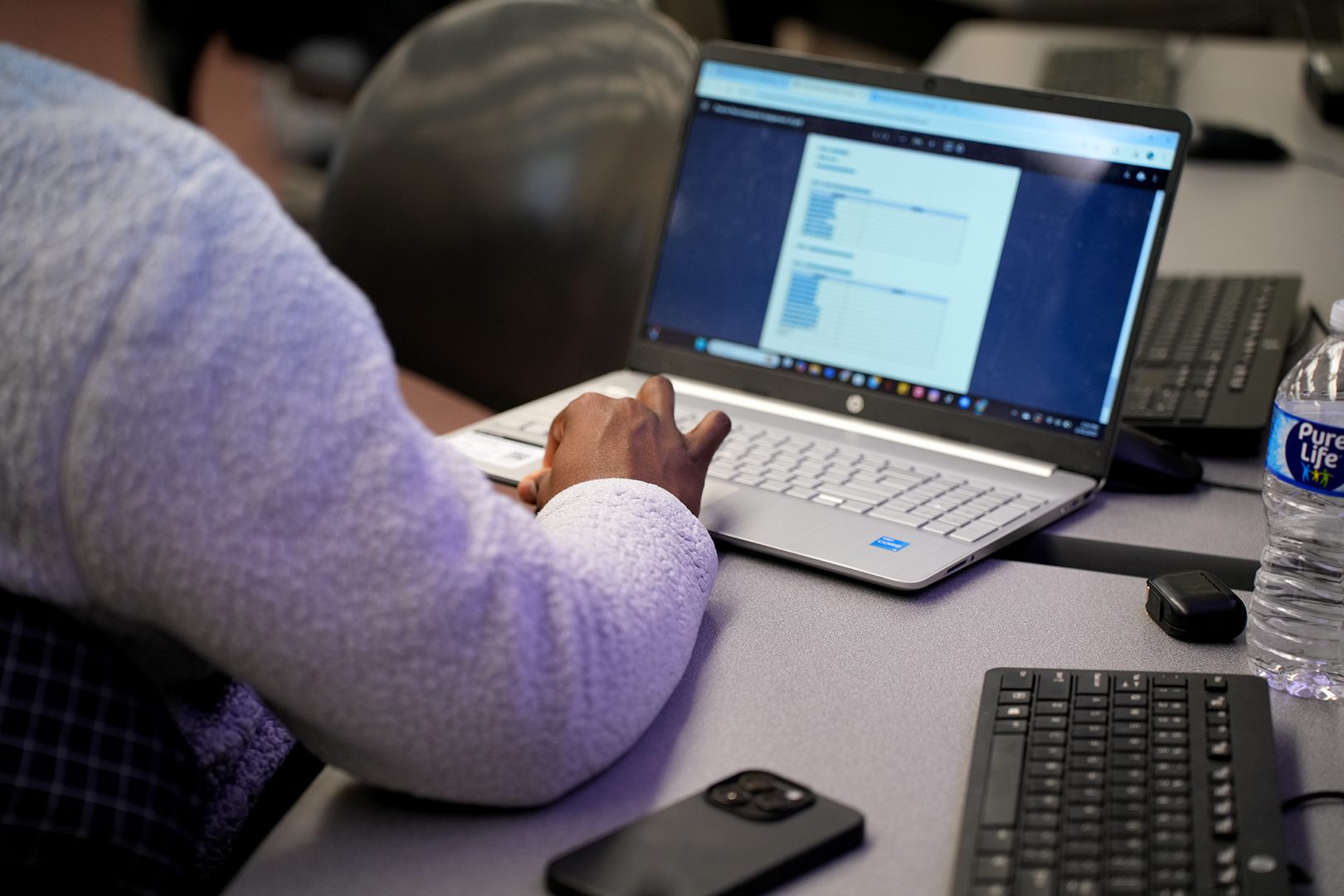
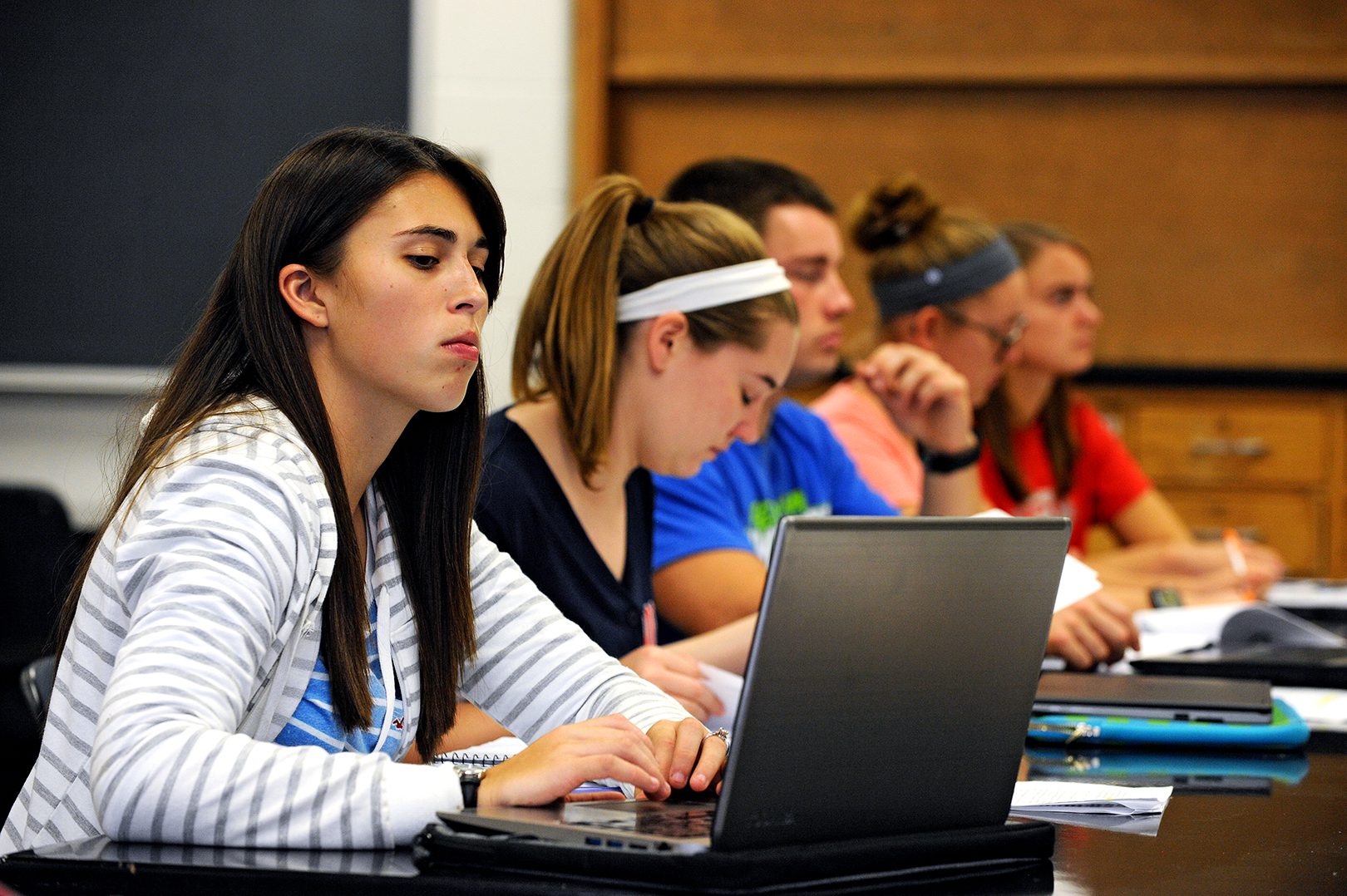
The Online Learning Program is an educational experience that breaks the mold of the traditional classroom by offering educational opportunities and course enhancements over the internet. Online learning adds flexibility and availability by allowing students access to course material 24/7. Our goal is to create an active learning environment through thoughtful and engaged activity. This is accomplished through the collaborative efforts of discussion and exchange among students and your professor.
Preparing for a Course
New Users
New Malone users can determine their usernames and passwords with the following information. Please visit our for complete information.
- Username = first initial, middle initial, last name, and the number 1. (If you are not the first individual with this sequence, your last name will be followed by a 2, 3, etc.)
- Sample name: John Q. Public; Username: jqpublic1
- Your default password will be a randomly generated 10 digit strand of characters. This password is in your admission letter or available from your admission counselor.
All Users
Prior to your online session, please complete the following:
- You should review our articles. If you have technical questions not answered by one of these articles, please contact the Help Desk.
- Purchase text books from the at 330-471-8310 or bookstore@malone.edu.
Expectations
What are the expectations in an online course?
The same course demands and academic standards that are required in a classroom can also be found in an online course. Just as in a traditional classroom, students will follow a schedule as outlined in the course syllabus with deadlines for assignments.
Do I have to be online at a specific time?
Maloneā€™s online courses are delivered with flexibility in mind, so you arenā€™t required to be online at a specific time of the day. However, all online courses require that work be completed within a particular time frame. It is recommended that you access your course every day to engage the learning material, participate in online discussions, and complete assignments and exams.
Using Malone Technology
How do I access my online courses?
To access your courses, please to your personal account at the Malone Online Campus. Using your Malone login credentials, enter you username and password.
How do I use my Malone email account?
All students are required to use their Malone-issued email accounts in the Distance Learning system. You can check your email anywhere you have internet access. The University and your instructor will communicate important information to you via email. It is recommended that you check it daily.
- Using your web browser, type in the following URL in the address bar:
- Enter your username and password
- Click ā€œLogin”
Managing Your Username and Password
Students are able to manage their usernames and passwords on our page. This page will enable you to change your password and unlock your account.
Open LMS Moodle Mobile App
- From your app store, download the Open LMS app to your mobile device (search ā€œopen lms appā€). You can also access the mobile app at
- Enter the following URL into the site field ā€œā€
- The app will ask you to go to your mobile device browser to log in. Open your browser and enter the above URL. Login using your normal ĢĒŠÄVlog credentials.
- Return to the Moodle app and you will be logged in.
Getting Help
Help is only a click away when you need it! If there are components of the system of which you are unsure, you can find help in the Student Orientation course or by pressing the Help button in your course. You can also contact the Distance Learning Help Desk by phone, email, or by clicking on the ā€œTech Supportā€ button in your class.
ĢĒŠÄVlog Help Desk
Phone: (330) 471-8428
Email: helpdesk@malone.edu
How can I be successful?
Be self-motivated and self-disciplined.
With the freedom and flexibility of the online environment comes responsibility. The online process takes a real commitment and discipline to keep up with the course material.
Be able to commit the same amount of time to an online course as you would a traditional course.
Online courses are not easier than traditional courses.
Be willing to share your experiences with others.
Many of the online activities you will engage in will require you to integrate course material and your life experiences.
Be willing to engage in meaningful and quality discussion.
Discussion is an essential component of the online learning environment. The testing and challenging of ideas is encouraged. You will not always be right; just be prepared to accept a challenge.
Be prepared to communicate through writing.
Virtually all of the communication that you will engage in will require you to express yourself in writing.
The online learning process is accelerated and requires commitment on the student’s part.
Staying up with the class and completing all work on time is vital. Once a student gets behind, it is almost impossible to catch up. Essentially, the student must want to be there, and must want the experience.
Frequently asked questions about online courses
How do I get help?
Help is only a click away when you need it. If there are components of the system of which you are unsure, you can find help in the Student Orientation course or by pressing the Help button in your course. You can also contact the Distance Learning Help Desk by phone, email or by clicking on the “Tech Support” button in your class.
How do I register for a course?
Contact the Registrar’s Office and they can help you get started.
How do I access my online courses?
To access your courses, please to your personal account at the Malone Online Campus. Using your Malone login credentials, enter you username and password.
I am a first-time user. What are my login credentials?
New Malone users can determine their usernames and passwords with the following information. For complete information, see our .
- Username = first initial, middle initial, last name, and the number 1. (If you are not the first individual with this sequence, your last name will be followed by a 2, 3, etc.)
Sample name: John Q. Public
Username: jqpublic1 - Your default password will be a randomly generated 10 digit strand of characters. This password is in your admission letter or is available from your admissions counselor.Ā
How do I use my Malone email account?
All students are required to use their Malone-issued email account in the Distance Learning system. You can check your email anywhere you have internet access. The University and your instructor will communicate important information to you via email. It is recommended that you check it daily.
- Using your web browser, type in the following URL in the address bar:
- Enter your username and password
- Click ā€œLoginā€
How do I manage my login credentials?
Students are able to manage their username and password on our page. This page will enable you to change your password, unlock your account, and review a security Q&A.
How will I know how to use the online system?
We have created an orientation course for you to take before you begin your first course. You may enter this course at any time by logging into the system. Once you access your personal account, you will see a term name highlighted in gray titled “Special Courses.”Ā
Under the term name, you will see the “New Student Orientation Tutorial.” Click on the blue link to enter the course.
What are the technical requirements for taking an online course?
Success in your program begins with having the proper hardware. In order to ensure that you are ready to begin, you should review the technical requirements for our educational system at the technical requirements page. The system requirements are fairly basic and most computers meet these requirements.
What software do I need to take an online course?
You should first take our browser test. The browser test will make sure you have the general software necessary to use our system. If you are missing a piece of software, you will be directed to a site to download the software for free. Our software requirements are very basic and most computers already have the necessary software.Ā
Additionally, for most courses you will need to have word processing software and Adobe Acrobat reader.
When will I be able to access my course?
You will be able to access your course on the first day of classes.
Where do I get information about my books for the course?
Textbook information is available in ourĀ . You can purchase your textbooksĀ or from the Campus Store located in the Brehme Centennial Center. The Bookstore can be reached at 330-471-8310 or bookstore@malone.edu.
How do I communicate with my faculty member?
Your online courses emphasize communication between students, their peers, and the instructor. Communication is facilitated by online discussion, email, online chat threads, and whiteboards. These communication tools offer the ability for students to communicate with their professors, work on group projects together, chat online, and view documents together.
Are there online library resources?
°Õ³ó±šĢżĢĒŠÄVlog Cattell LibraryĀ provides access to a variety of online research databases as well as the Malone book catalog through remote access.
To access the online library resources, you will need to validate your user access, a process known as authentication, with your library barcode. Your library barcode can be found by clicking on the “Services” tab located on the left side of your online course personal student homepage and then by clicking on the “Library Services” link.
State Authorization
National Council for State Authorization Reciprocity Agreements
ĢĒŠÄVlog is approved by The Ohio Department of Higher Education to participate in the National Council for State Authorization Reciprocity Agreements (NC-SARA).
United States Department of Education Federal Integrity Rules stipulate that institutions providing online education provide current and prospective students information on filing complaints.
Complaint Procedures
ĢĒŠÄVlog is committed to providing students with an excellent educational experience and strives to work with students to resolve any issues that arise. Should an issue arise students are encouraged to contact the instructor, program director, or appropriate administrative office to discuss the issue. If you are unsure about whom to contact, please contact John Koshmider at jkoshmider@malone.edu.
If an issue cannot be resolved by ĢĒŠÄVlogā€™s internal processes, students in online courses or programs who reside in may choose to file a complaint with the . Students residing in states not participating in SARA may appeal to their state of residence. Please see below to find the contact information for each state agency that would handle the complaint. You may also contact our accrediting agency, the .
Higher Learning Commission
230 South LaSalle Street, Suite 7-500
Chicago, IL 60604
800.621.7440
Professional Licensure Disclosure
If your program leads to a professional license or certification, an authorization may be required from the state professional licensing board prior to beginning a clinical or field experience in that state. Check with your program’s coordinator with questions about state professional licensing board requirements prior to beginning an internship or field experience in another state.
ĢĒŠÄVlog academic programs are designed to prepare students to apply for applicable licensure or certification in Ohio. Completion of a Malone program may not meet education requirements for a license or certification in another state.
We make every effort to ensure information about educational requirements for licensure or certification information is current; however, state requirements may change. Separate from educational requirements, state licensure boards may require applicants to complete professional examinations, background checks, years of professional experience, jurisprudence exams, etc. If you are planning to pursue professional licensure or certification in a state other than Ohio, it is strongly recommended that you contact the appropriate licensing entity in that state to seek information and guidance regarding licensure or certification requirements before beginning an academic program.
Click on a program below to view information about your program of study.
Clinical Mental Health Counseling State Licensure Information
The State Licensing Requirements will indicate if the program curriculum ā€˜Meetsā€™ the individual stateā€™s requirements, ā€˜Does NOT Meetā€™ the stateā€™s requirement, or will state ā€˜Undeterminedā€™ if Malone has not yet determined if the curriculum requirements are met.
| State | Name and URL of State Licensing Board or Department | State Licensing Requirements | Additional Requirements for Licensure |
|---|---|---|---|
| Alabama | Met | ||
| Alaska | Met | ||
| Arizona | Met | ||
| Arkansas | Unmet | 1 credit hour of technology-assisted counseling course | |
| California | Unmet | A minimum of 10 contact hours of training in human sexuality A 3 credit hour survey course in psychopharmacology A minimum of 15 contact hours of instruction in spousal or partner abuse assessment, detection, intervention strategies, and same-gender abuse dynamics A minimum of 7 contact hours of training or coursework in child abuse assessment and reporting A 12-hour California Law and Ethics course. A minimum of 10 contact hours of instruction in aging and long-term care, which may include, but is not limited to, the biological, social, and psychological aspects of aging. This coursework shall include instruction on the assessment and reporting of, as well as treatment related to, elder and dependent adult abuse and neglect. | |
| Colorado | Met | ||
| Connecticut | Met | ||
| Delaware | Met | ||
| Florida | Unmet | 1 course (3 credit hours) in human sexuality | |
| Georgia | Met | ||
| Hawaii | Met | ||
| Idaho | Met | ||
| Illinois | Met | ||
| Indiana | Met | ||
| Iowa | Met | ||
| Kansas | Met | ||
| Kentucky | Met | ||
| Louisiana | Met | ||
| Maine | Met | ||
| Maryland | Met | ||
| Massachusetts | Met | ||
| Michigan | Unmet | Individuals seeking licensure must have completed training to identify victims of human trafficking prior to obtaining a license as a counselor. Must complete 2 hours of implicit bias training. *These requirements are not listed as part of the graduate degree requirements, but are in addition to the 60 hour CACREP degree. | |
| Minnesota | Met | ||
| Mississipi | Met | ||
| Missouri | Unmet | Graduate courses cannot exceed 50% asynchronous digital delivery | |
| Montana | Met | ||
| Nebraska | Met | ||
| Nevada | Met | ||
| New Hampshire | Met | ||
| New Jersey | Met | ||
| New Mexico | Met | ||
| New York | Met | ||
| North Carolina | Met | ||
| North Dakota | Met | ||
| Ohio | Met | ||
| Oklahoma | Met | ||
| Oregan | Met | ||
| Pennsylvania | Met | ||
| Rhode Island | Met | ||
| South Carolina | Met | ||
| South Dakota | Met | ||
| Tennessee | Met | ||
| Texas | Met | ||
| Utah | Met | ||
| Vermont | Met | ||
| Virginia | Met | ||
| Washington | Met | ||
| West Virginia | Met | ||
| Wisconsin | Met | ||
| Wyoming | Met | ||
| updated 10/1/2025 |
School Counseling State Licensure Information
The State Licensing Requirements will indicate if the program curriculum ā€œMeetsā€ the individual stateā€™s requirements, ā€œDoes NOT Meetā€ the stateā€™s requirement, or will state ā€œUndeterminedā€ if Malone has not yet determined if the curriculum requirements are met.
| State: | Name of State Licensing Board or Department | Initial License Name | State Licensing Requirements (2023) | Unmet Requirements |
| Alabama | Class A School Counselor Certification | Unmet, you need to first obtain our Ohio SC license (after graduation) and then transfer the license to this state.Praxis School Counselor (5422) exam. | ||
| Alaska | Type C: Regular Special Services Certificate | Unmet | Program must include: Three (3) semester hours of approved .Three (3) semester hours of approved . | |
| Arizona | School Counselor Certificate | Met | ||
| Arkansas | Met Praxis School Counselor (5422) exam. | |||
| California | Pupil Personnel Services (PPS)Credential | Met | ||
| Colorado | Special Services License | MetPraxis School Counselor (5422) exam. | ||
| Connecticut | School Counselor Certificate | Met | ||
| Delaware | School Counselor Standard Certificate (must choose Elementary ORSecondary) | MetPraxis School Counselor (5422) exam. | *To be certified in both Elementary and Secondary schools, you need 350 internship hours in each. If you’re pursuing just one, you must complete 700 hours in that area. | |
| Florida | Certification in School Counseling | Met | ||
| Georgia | Standard Professional certificate | Unmet | Only GA approved programs are accepted. | |
| Hawaii | Unmet until we pursue affiliation agreement. Praxis School Counselor (5422) exam. | Malone must obtain an affiliation agreement with the HawaiŹ»i State Department of Education in order to place candidates in their public schools.Currently they do not. | ||
| Idaho | Pupil Service Staff Certificate | Met | Internship must include time working with students at all grade levels. | |
| Illinois | PEL School Support Personnel Endorsement | Unmet | Complete coursework in: (1) Methods of reading, and reading in the content area. (2) Instructional strategies for English learners. | |
| Indiana | School Counselor License | Met Praxis School Counselor (5422) exam. | Training in:- – – . Valid CPR and AED Certification from an . | |
| Iowa | Initial Professional Service License School Counselor | Met | ||
| Kansas | School Specialist License | Met Praxis School Counselor (5422) exam. | ||
| Kentucky | Provisional Certificate for School Counselor | Met | ||
| Louisiana | Ancillary School Counselor K-12 | Met Praxis School Counselor (5422) exam. | ||
| Maine | Certificate 075: School Counselor | Met | ||
| Maryland | Initial Professional License (IPL) | Met | ||
| Massachusetts | Professional Support Personnel Initial License | Met | Passing score on the Massachusetts Communication and Literacy Skills (101/201) test. | |
| Michigan | Temporary School Counselor License (TSCL) ORSchool Counselor License (SCL) | Met for TSCL, unmet for SCL | SCL: Passage of the Michigan Test for Teacher Certification (MTTC) School Counselor examination. | |
| Minnesota | Tier 3 License | Met | ||
| Mississippi | 5 Year Educator License Guidance and Counseling (436) | Met Praxis School Counselor (5422) exam. | Twenty-one (21) ACT equivalent or achieve the nationally recommended passing score on the Praxis CORE (Core Academic Skillsfor Educators) examination. – or – Hold National Certified School Counselor (NCSC) credential issued by National Board of Certified Counselors (NBCC) | |
| Missouri | Initial Student Services Certificate (ISS) | Unmet, you need to first obtain our Ohio SC license (after graduation) and then transfer the license to this state. | It would be beneficial to obtain that state’s certificate whether one plans to reside in that state or not. In most cases, a Missouri certificate is issued with no further coursework or test requirements. | |
| Montana | Class 6 School Counselor Specialist Licensure | Met | ||
| Nebraska | School Counselor (F) (PK-12) | Met for those who previously earned a teaching certificate with an endorsement contained in 92NAC 24. | Unmet for those needing 12 additional semester hours of professional teacher education coursework related to core curriculum design, lesson plan development, classroom management strategies, student assessment, and differentiated instructional strategies. | |
| Nevada | School Counselor Endorsement | Met Praxis School Counselor (5422) exam. | Praxis Core Academic Skills for Educators. | |
| New Hampshire | Beginning Educator License | Met | ||
| New Jersey | School Counselor Standard Certificate | Met | ||
| New Mexico | School Counselor (Pre K-12) | Met Praxis School Counselor (5422) exam. | ||
| New York | Initial Certificate | Met | – School Counselor Workshop – Workshop – Workshop – Of the 600 internship hours required, 300 must be in elementary grades (Kā€“8) and at least 300 in secondary grades (9ā€“12). | |
| North Carolina | Student Services License | Met Praxis School Counselor (5422) exam. | ||
| North Dakota | Initial Out of State Reciprocal License | Unmet Praxis School Counselor (5422) exam. | Additional Classes:- Educational Psychology- Classroom Management- Instructional planning, methods, and assessment-Multicultural/Native American Studies | |
| Oklahoma | Alternative Placement School Counselor | Met Praxis School Counselor (5422) exam. | ||
| Oregon | Preliminary School Counselor License | Unmet, you need to first obtain our Ohio SC license (after graduation) and then transfer the license to this state. | An active and valid non-provisional school counselor license from a NASDTECjurisdiction; and Meet the requirements for knowledge of U.S. and Oregon civil rights laws and professional ethics. | |
| Pennsylvania | Elementary and Secondary School Counselor (PK-12) | Met Praxis School Counselor (5422) exam. | Praxis CORE or PAPA Basic Skills tests. | |
| Rhode Island | School Counselor | MetPraxis School Counselor (5422) exam. | ||
| South Carolina | School Counselor (PK-Grade 12) | MetPraxis School Counselor (5422) exam. | ||
| South Dakota | School Counselor Education Specialist Certificate | Met Praxis School Counselor (5422) exam. | ||
| Tennessee | School Counseling Licensure | Met Praxis School Counselor (5422) exam. | ||
| Texas | School Counselor | Unmet | Students must complete a Texas program. | |
| Utah | Unmet, you need to first obtain our Ohio SC license (after graduation) and then transfer the license to this state. | NASDTEC Stage 2 or higher license in school counseling. | ||
| Vermont | School Counselor | Met | A supervised internship experience (600 clock hours) in counseling with a minimumof 60 hours of experience in school counseling at the elementary (PK-8) or middle/secondary(5-12) instructional level, depending on the authorization sought.For the full PK-12 authorization, a practicum, or equivalent, in a PK/Elementary School setting and a second practicum, or equivalent, in a separate Middle/High School setting is required. Examination Requirements: ā— Praxis I: Must have a minimum score of 177 in reading, 174 in writing and 175 in mathematics UNLESS have a minimum of 1000 on the SATā€™s OR 1100 on GREā€™s OR 22on the ACTā€™s Additional Requirement: ā— Successful completion of an Endorsement Portfolio and the Vermont Licensure Portfolio (Demonstrated competency as specified in the Vermont Core Teaching Standards; https://sites.google.co m/view/vermontlicensu reportfolio/home). | |
| Virginia | Provisional OR School Counselor PreK-12 | Unmet | Two years of full-time teaching/school counseling experience. At least 100 hours each are required in PreKā€“6 and grades 7ā€“12 for internship and practicum experiences. Note, you can get a provisional license to gain this requirement if not already met. | |
| Washington | Residency ESACertificate | MetPraxis School Counselor (5422) exam. | ||
| Washington D.C. | Initial School Service Provider Certification | Met | ||
| West Virginia | Professional Student Support Certificate | Met Praxis School Counselor (5422) exam. | ||
| Wisconsin | Provisional License | Met Praxis School Counselor (5422) exam. | ||
| Wyoming | Professional Services Personnel | Met Praxis School Counselor (5422) exam. |
Education State Licensure Information
The State Licensing Requirements will indicate if the program curriculum ā€œMeetsā€ the individual stateā€™s requirements, ā€œDoes NOT Meetā€ the stateā€™s requirement, or will state ā€œUndeterminedā€ if Malone has not yet determined if the curriculum requirements are met.
| State | Name and URL of State Licensing Board or Department | General Education | Special Education |
|---|---|---|---|
| Alabama | Alabama State Department of Education | Undetermined | Undetermined |
| Alaska | Alaska | Undetermined | Undetermined |
| Arizona | Undetermined | Undetermined | |
| Arkansas | Undetermined | Undetermined | |
| California | Undetermined | Undetermined | |
| Colorado | Undetermined | Undetermined | |
| Connecticut | Undetermined | Undetermined | |
| Delaware | Undetermined | Undetermined | |
| District of Columbia | Undetermined | Undetermined | |
| Florida | Undetermined | Undetermined | |
| Georgia | Undetermined | Undetermined | |
| Hawaii | Undetermined | Undetermined | |
| Idaho | Undetermined | Undetermined | |
| Illinois | Undetermined | Undetermined | |
| Indiana | Undetermined | Undetermined | |
| Iowa | Undetermined | Undetermined | |
| Kansas | Undetermined | Undetermined | |
| Kentucky | Undetermined | Undetermined | |
| Louisiana | Undetermined | Undetermined | |
| Maine | Undetermined | Undetermined | |
| Maryland | Undetermined | Undetermined | |
| Massachusetts | Undetermined | Undetermined | |
| Michigan | Undetermined | Undetermined | |
| Minnesota | Undetermined | Undetermined | |
| Mississipi | Undetermined | Undetermined | |
| Missouri | Undetermined | Undetermined | |
| Montana | Undetermined | Undetermined | |
| Nebraska | Undetermined | Undetermined | |
| Nevada | Undetermined | Undetermined | |
| New Hampshire | Undetermined | Undetermined | |
| New Jersey | Undetermined | Undetermined | |
| New Mexico | Undetermined | Undetermined | |
| New York | Undetermined | Undetermined | |
| North Carolina | Undetermined | Undetermined | |
| North Dakota | Undetermined | Undetermined | |
| Ohio | Meets | Meets | |
| Oklahoma | Undetermined | Undetermined | |
| Oregan | Undetermined | Undetermined | |
| Pennsylvania | Undetermined | Undetermined | |
| Puerto Rico | Undetermined | Undetermined | |
| Rhode Island | Undetermined | Undetermined | |
| South Carolina | Undetermined | Undetermined | |
| South Dakota | Undetermined | Undetermined | |
| Tennessee | Undetermined | Undetermined | |
| Texas | Undetermined | Undetermined | |
| Utah | Undetermined | Undetermined | |
| Vermont | Undetermined | Undetermined | |
| Virginia | Undetermined | Undetermined | |
| Washington | Undetermined | Undetermined | |
| West Virginia | Undetermined | Undetermined | |
| Wisconsin | Undetermined | Undetermined | |
| Wyoming | Undetermined | Undetermined |
Nursing State Licensure Information
The State Licensing Requirements will indicate if the program curriculum ā€œMeetsā€ the individual stateā€™s requirements, ā€œDoes NOT Meetā€ the stateā€™s requirement, or will state ā€œUndeterminedā€ if Malone has not yet determined if the curriculum requirements are met. However, states often require additional items for licensure including, but not limited to: background check, letters of reference, continuing education, and certification examinations. Students are encouraged to verify the current requirements with the state directly and routinely check for updates as the state requirements are subject to change at any time.
The Nurse Licensure Compact (NLC) allows nurses to be licensed to practice nursing in any state that participates in the compact. In order to obtain a multi-state license, the nurse must meet the licensure requirements in their state of residence. Advanced Practice licensure is regulated separately from the NLC. Click to see which states are currently part of the NLC. In order to review the requirements for licensure at the undergraduate and APRN levels for each state, please refer to .
| State | Name and URL of State Licensing Board or Department | Undergraduate Nursing State Licensing Requirements | Graduate Nursing State Licensing Requirements |
|---|---|---|---|
| Alabama | Meets | Does Not Meet | |
| Alaska | Meets | Meets | |
| Arizona | Meets | Does Not Meet | |
| Arkansas | Undetermined | Does Not Meet | |
| California | Meets | Does Not Meet | |
| Colorado | Meets | Meets | |
| Connecticut | Undetermined | Meets | |
| Delaware | Meets | Meets | |
| Florida | Meets | Meets | |
| Georgia | Meets | Does Not Meet | |
| Hawaii | Undetermined | Meets | |
| Idaho | Meets | Undetermined | |
| Illinois | Meets | Undetermined | |
| Indiana | Meets | Undetermined | |
| Iowa | Meets | Undetermined | |
| Kansas | Meets | Undetermined | |
| Kentucky | Meets | Undetermined | |
| Louisiana | Meets | Undetermined | |
| Maine | Meets | Undetermined | |
| Maryland | Meets | Undetermined | |
| Massachusetts | Meets | Undetermined | |
| Michigan | Meets | Undetermined | |
| Minnesota | Meets | Undetermined | |
| Mississipi | Meets | Undetermined | |
| Missouri | Meets | Undetermined | |
| Montana | Meets | Undetermined | |
| Nebraska | Meets | Undetermined | |
| Nevada | Meets | Undetermined | |
| New Hampshire | Meets | Undetermined | |
| New Jersey | Meets | Undetermined | |
| New Mexico | Meets | Undetermined | |
| New York | Meets | Undetermined | |
| North Carolina | Meets | Undetermined | |
| North Dakota | Meets | Undetermined | |
| Ohio | Meets | Meets | |
| Oklahoma | Undetermined | Undetermined | |
| Oregan | Undetermined | Meets | |
| Pennsylvania | Meets | Undetermined | |
| Puerto Rico | Undetermined | Undetermined | |
| Rhode Island | Meets | Undetermined | |
| South Carolina | Meets | Undetermined | |
| South Dakota | Meets | Undetermined | |
| Tennessee | Meets | Does Not Meet | |
| Texas | Meets | Undetermined | |
| Utah | Meets | Undetermined | |
| Vermont | Meets | Undetermined | |
| Virginia | Does Not Meet | Undetermined | |
| Washington | Meets | Undetermined | |
| West Virginia | Meets | Undetermined | |
| Wisconsin | Meets | Undetermined | |
| Wyoming | Meets | Undetermined | |
| updated 8/13/24 |
Social Work State Licensure Information
The State Licensing Requirements will indicate if the program curriculum ā€œMeetsā€ the individual stateā€™s requirements, ā€œDoes NOT Meetā€ the stateā€™s requirement, or will state ā€œUndeterminedā€ if Malone has not yet determined if the curriculum requirements are met.
| State | Name and URL of State Licensing Board or Department | State Licensing Requirements | Additional Information |
|---|---|---|---|
| Alabama | Meets | ||
| Alaska | Meets | ||
| Arizona | Meets | ||
| Arkansas | Meets | ||
| California | Does Not Meet | This state does not license social workers at the bachelor’s level. | |
| Colorado | Does Not Meet | This state does not license social workers at the bachelor’s level. | |
| Connecticut | Does Not Meet | This state does not license social workers at the bachelor’s level. | |
| Delaware | Meets | ||
| District of Columbia | Meets | ||
| Florida | Does Not Meet | This state does not license social workers at the bachelor’s level. | |
| Georgia | Does Not Meet | This state does not license social workers at the bachelor’s level. | |
| Hawaii | Meets | ||
| Idaho | Meets | ||
| Illinois | Meets | ||
| Indiana | Meets | ||
| Iowa | Meets | ||
| Kansas | Meets | ||
| Kentucky | Meets | ||
| Louisiana | Meets | ||
| Maine | Meets | ||
| Maryland | Meets | ||
| Massachusetts | Meets | ||
| Michigan | Meets | ||
| Minnesota | Meets | ||
| Mississipi | Meets | ||
| Missouri | Meets | ||
| Montana | Meets | ||
| Nebraska | Meets | ||
| Nevada | Meets | ||
| New Hampshire | Does Not Meet | This state does not license social workers at the bachelor’s level. | |
| New Jersey | Meets | ||
| New Mexico | Meets | ||
| New York | Does Not Meet | This state does not license social workers at the bachelor’s level. | |
| North Carolina | Meets | ||
| North Dakota | Meets | ||
| Ohio | Meets | ||
| Oklahoma | Meets | ||
| Oregan | Meets | ||
| Pennsylvania | Does Not Meet | This state does not license social workers at the bachelor’s level. | |
| Rhode Island | Does Not Meet | This state does not license social workers at the bachelor’s level. | |
| South Carolina | Meets | ||
| South Dakota | Meets | ||
| Tennessee | Meets | ||
| Texas | Meets | ||
| Utah | Meets | ||
| Vermont | Does Not Meet | This state does not license social workers at the bachelor’s level. | |
| Virginia | Meets | ||
| Washington | Does Not Meet | This state does not license social workers at the bachelor’s level. | |
| West Virginia | Meets | ||
| Wisconsin | Meets | ||
| Wyoming | Meets | ||
| updated 9/13/2021 |